369 Method vs Scripting: What is the Difference?
3-6-9 METHOD
7/12/20264 min read
Understanding the 369 Method
The 369 Method is a manifestation technique that has gained considerable popularity, particularly through the influence of social media platforms. Rooted in the Law of Attraction, the method suggests that clear intention and structured writing of one's desires can significantly impact the outcome of those desires. The origins of the 369 Method can be traced back to the insights of Nikola Tesla, who is often quoted for highlighting the significance of the numbers 3, 6, and 9 in understanding the universe.
The central principle of the 369 Method revolves around the repetition of affirmations. Practitioners are encouraged to write down specific desires or goals in a designated manner, capitalizing on the numbers 3, 6, and 9. This approach involves writing the affirmations three times in the morning, six times in the afternoon, and nine times in the evening over the course of several days. The structure is believed to enhance focus and intent, making the desires more tangible and likely to manifest.
The repeated writing acts as a form of meditation, helping individuals concentrate their energies on what they truly want to attract into their lives. This connection between writing and manifesting is critical because it not only reinforces the desire but also aligns the individual’s mindset with the outcomes they wish to attract. Furthermore, the significance of the numbers themselves is steeped in numerological belief, suggesting that they resonate with different energies and vibrations that can influence reality.
Overall, the 369 Method relies heavily on the positive affirmations that serve as the driving force behind manifestation. By incorporating these repeated declarations into daily practices, individuals aim to harness the power of these principles, promoting a mindset conducive to attracting their desired experiences.
Exploring Scripting as a Manifestation Technique
Scripting has emerged as a popular manifestation technique that leverages the power of written expression to engage one's emotions and focus on desired outcomes. The core principle of scripting involves crafting a detailed narrative as if your aspirations have already manifested. This method allows individuals to create a vivid and immersive experience of their envisioned future, thereby attracting the circumstances and opportunities needed to achieve those desires.
Unlike traditional journaling, which often serves as a reflective tool to document thoughts and experiences, scripting distinctly emphasizes the portrayal of a desired reality. When scripting, individuals write not just about what they want but rather how they feel as if they have already achieved those goals. This technique can help to evoke strong emotions and create a mental image that aligns with one's intentions.
The process of scripting typically begins with setting clear intentions. This means identifying what one truly desires in their life, whether that is related to career, relationships, or personal growth. Once intentions are established, the next crucial step involves visualizing the desired outcome. This can be done by closing the eyes and imagining all the details surrounding the fulfillment of these desires — the sights, sounds, and feelings of success.
Furthermore, scripting is done in the present tense to enhance emotional anchoring. For example, instead of writing "I will be happy in my dream job," a script would reflect, "I am thrilled to be working in my dream job, where I feel fulfilled and appreciated." This linguistic approach reinforces the emotions associated with success, making the experience more impactful. By integrating these elements, scripting not only provides clarity on one’s aspirations but also nurtures the emotional resonance required to attract them into reality.
Key Differences Between 369 Method and Scripting
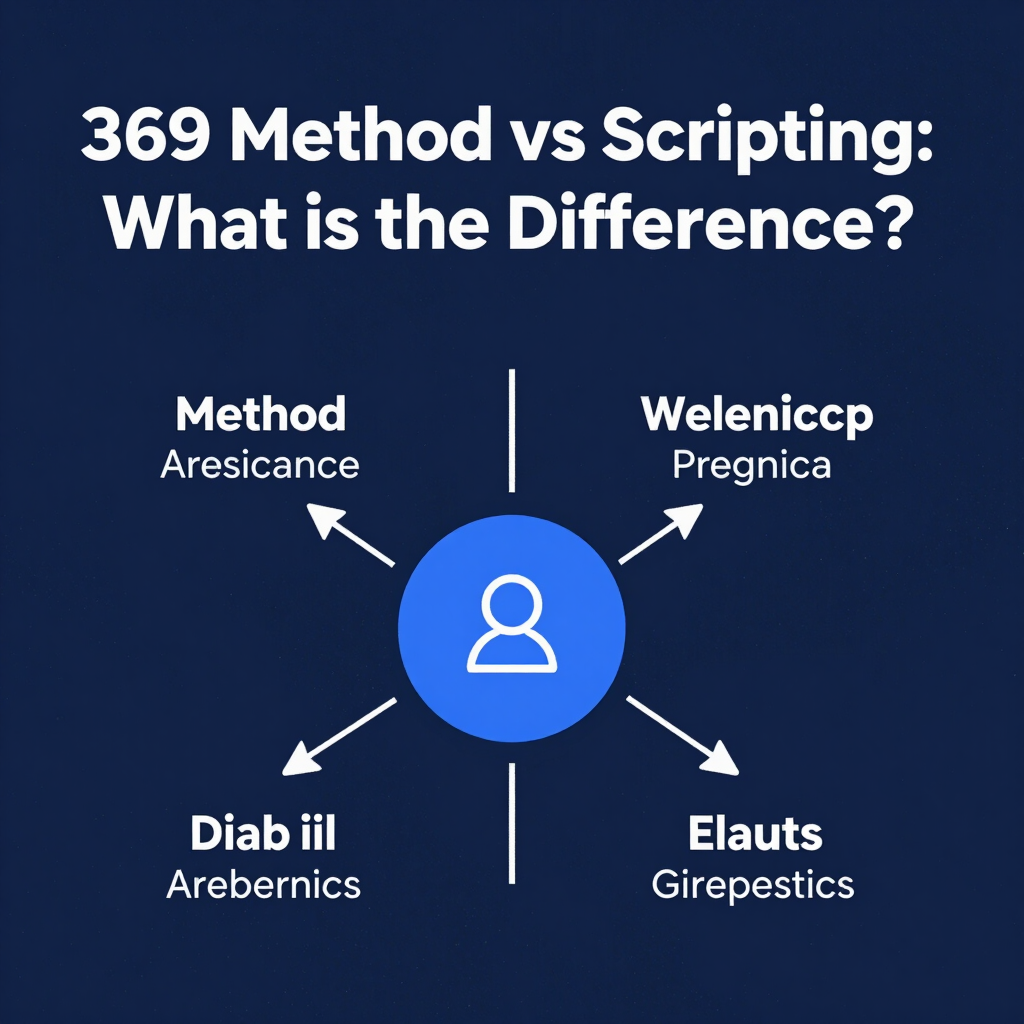
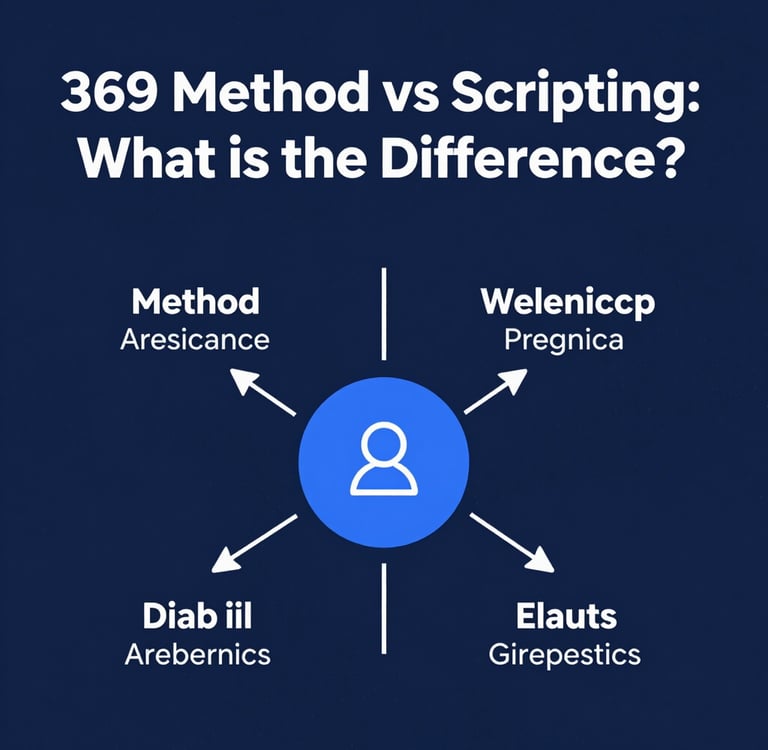
The 369 Method and scripting are two popular techniques used for manifestation, each having its own distinctive characteristics and approaches. At its core, the 369 Method is grounded in the structured practice of affirmations, where practitioners are encouraged to write specific affirmations three times in the morning, six times during the day, and nine times at night. This rigorous repetition aims to instill the desired belief firmly within the practitioner, advocating for a focused and disciplined approach to manifestation.
Conversely, scripting emphasizes a more free-form style of creative visualization. This technique involves writing a narrative or script that describes the desired outcome as if it is already happening. By engaging in this creative exercise, individuals can tap into their imagination, allowing for a more fluid and expressive representation of their dreams and desires. The scripting method enables users to explore their emotions and thoughts more dynamically, fostering a personalized visualization experience.
When considering the outcomes of both methods, the 369 Method tends to cater specifically to individuals who thrive on structure and clarity. It can be particularly well-suited for those seeking straightforward manifestations, such as achieving specific goals or aspirations. In contrast, scripting can be effective for individuals who are comfortable with abstract concepts and wish to manifest broader, more complex desires that may involve personal growth or emotional healing.
Moreover, psychological considerations also play a pivotal role. The repetitive nature of the 369 Method may create a sense of reassurance and commitment, while scripting fosters creativity and resilience, allowing users to process emotions attached to their goals. Ultimately, the choice between these two manifestation techniques should align with the individual’s personality and manifestation goals.
Which Method Should You Choose?
Choosing between the 369 Method and scripting ultimately hinges on individual preferences and the specific nature of desires. Both techniques offer unique pathways toward manifestation, allowing individuals to connect with their aspirations in deeply personal ways. Understanding how each method aligns with one’s personal manifestation style is crucial in making this choice.
The 369 Method, popularized by its simplicity, is a structured approach where practitioners write down their intentions in a specific format, encouraging repetition to reinforce their desires. This method can be particularly effective for those who appreciate routine and find comfort in structure. It is beneficial for individuals who thrive on clarity and direct affirmation, enabling them to visualize their goals consistently throughout the day.
On the other hand, scripting offers a more creative outlet for expression. Through writing detailed narratives that describe already achieving desired outcomes, this method encourages emotional engagement and visualization. For individuals who are more imaginative or prefer storytelling to list-making, scripting may resonate more naturally. It allows for greater freedom in expressing one’s desires, potentially leading to richer emotional connections with the manifestation process.
Readers are encouraged to experiment with both methods to determine which feels more authentic to their personal journey. They might even consider combining elements from both techniques. For instance, one could start with the 369 Method to establish a foundational mindset, followed by scripting sessions to explore emotions and details more freely. This hybrid approach can enhance clarity while providing room for creativity, making the manifestation experience both structured and expressive.
Ultimately, the goal of manifestation is personal fulfillment. Therefore, introspection and reflection on what resonates most can guide individuals to discover the method that empowers them to manifest their desires effectively.
Tesla 369
Algorithmic focus. Daily protocol.
Sitemap
Home
Features
Pricing
About
Blog
FAQ
Support
support@369.zone
Response within 12 hours
© 2026 Tesla 369-Consistency beats inspiration. Built for algorithmic focus.
STRUCTURED COGNITIVE ARCHITECTURE